(831)476-2202
harborvet.com
FOR OUR ONLINE PHARMACY CLICK ON THE PHARMACY TAB IN THE MIDDLE OF THIS PAGE
We moved to this location six years ago after 22 years in our previous location. Harbor Veterinary Hospital is a full service animal hospital providing comprehensive healthcare services to dogs and cats in Santa Cruz County and the surrounding areas. We are conveniently located in mid county, close to the Hwy 1 Soquel Avenue/Soquel Drive and 41st Avenue exits. Our clients bring their pets to us from Santa Cruz, Scotts Valley, the San Lorenzo Valley, Felton, Boulder Creek, Bonny Doon, Capitola, Soquel, Aptos, Watsonville and even from San Jose, Salinas and Monterey. Our veterinarians offer a wide variety of medical, surgical and dental services.
VetClassics Products Now Available at Harbor Vet! Call us for specific product availability.
Please browse our website to learn more about our companion animal hospital and the services we provide for dogs and cats in Santa Cruz and the surrounding areas. Read information in our Pet Library, view videos, take a virtual tour of our veterinary hospital, read testimonials, and find details about upcoming events. Please call our office today at (831)476-2202 for all your pet health care needs. |
Just like people, dogs can be affected by different strains of influenza A, a highly contagious respiratory virus. While dogs can sporadically become infected w ...
Read more ...
Let’s face it. We’ve all been victims. You walk past the pet shop on the way to the shoe store. Or you’re looking for bargains at the local flea market. You’re ...
Read more ...
VIN News Service photos Costco is one of a growing number of national chains with pharmacies now filling veterinary prescriptions. In one store in Washington ...
Read more ...
Pet owners want to do what's best for their pets in case of a disaster. For reasons related to health and space, pets are sometimes not allowed in public emerge ...
Read more ...
The goal of thyroidectomy is to remove the abnormal thyroid tissue and leave the normal adjacent tissue alone. This sounds straightforward, however, considering ...
Read more ...
What is Pet Insurance?Pet insurance or pet health insurance helps cover the cost of medical expenses should your pet become ill or have an accident. Some pet i ...
Read more ...





 Processing ....
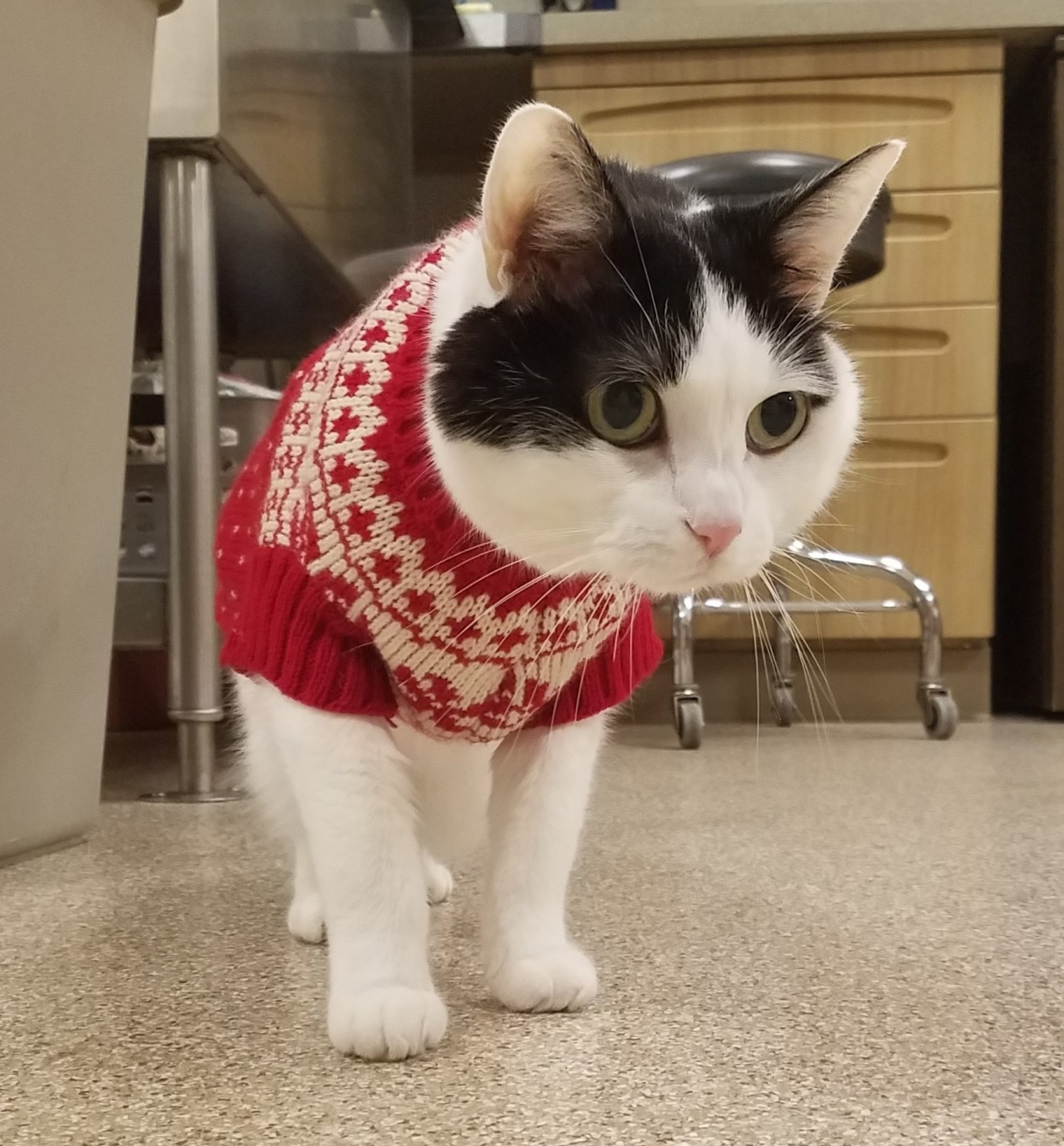 Harbor Veterinary Hospital is located at 2450 17th Avenue Suite 125.